

CLM
Contemplative Landscape Model
Introduction
How can the physical characteristics of a landscape influence the way people experience and respond to their surroundings?
The Contemplative Landscape Model (CLM) provides a structured, evidence-informed approach to exploring this question. Developed by Agnieszka Olszewska-Guizzo, the model was introduced in 2016 to identify and evaluate landscape features associated with contemplative experiences and potential mental health benefits.
Situated at the intersection of landscape architecture, environmental psychology, and neuroscience, CLM translates landscape qualities into a systematic assessment framework. It supports the identification of landscape scenes with contemplative potential and offers a basis for incorporating health-related considerations into landscape design and urban planning.

What makes a landscape contemplative?
CLM evaluates landscape scenes through seven key components. These components describe the visual, spatial, and environmental characteristics that contribute to the contemplative quality of a landscape:
From landscape features to human responses
The scientific foundation of CLM is informed by research examining relationships between landscape characteristics and human responses. Studies using neurophysiological and psychological measures have investigated how exposure to urban green spaces relates to patterns of brain activity, emotional experience, relaxation, and attention restoration.
Research suggests that certain landscape features may be associated with responses linked to relaxation and positive affect. CLM provides a way to assess these features systematically, helping researchers and practitioners explore how landscape composition may contribute to restorative experiences.
Importantly, CLM focuses on the potential contemplative quality of a landscape scene. A score does not directly measure an individual's mental health or guarantee a particular psychological or physiological response. Individual experiences may vary, and further research continues to investigate the mechanisms connecting landscape characteristics with human well-being.
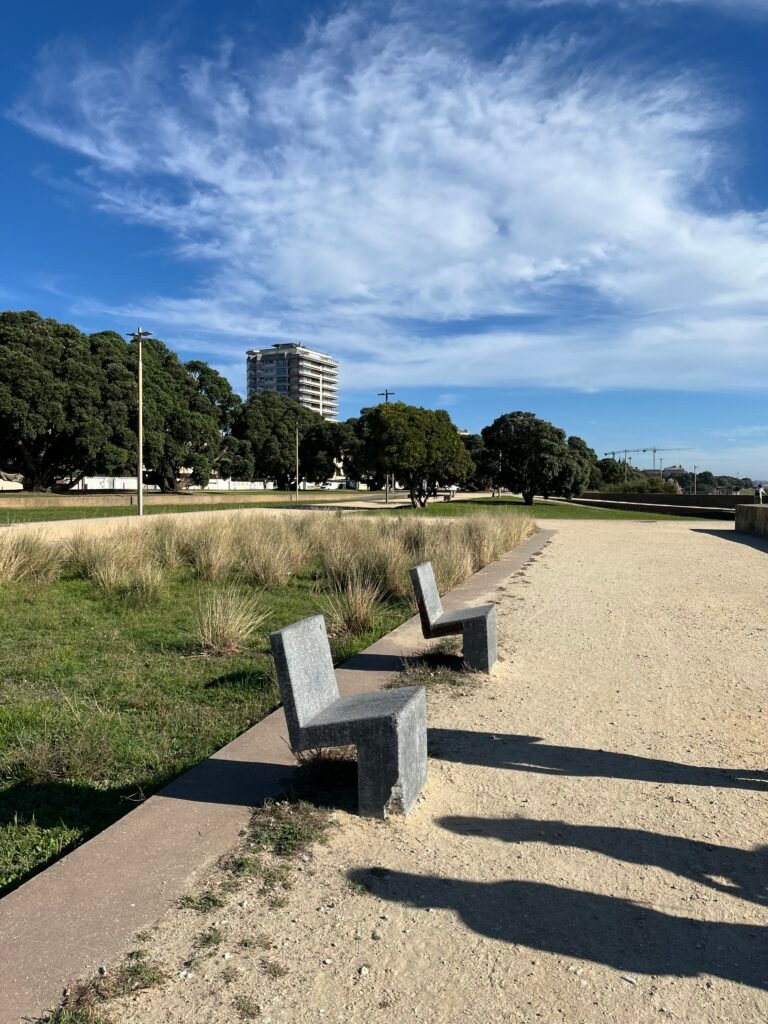
How is CLM assessed?
CLM is an expert-based assessment tool. Each of its seven components is evaluated using a six-point scale, with higher scores indicating stronger expression of the relevant contemplative landscape characteristics.
The overall CLM score is calculated by averaging the scores assigned to the seven components. The assessment can be conducted in situ, through direct observation of a landscape, or remotely using photographic or video representations of selected views.
Supporting evidence-informed landscape design
By identifying and evaluating specific landscape characteristics, CLM can help connect scientific research with landscape architecture and urban planning practice. Its application can support the assessment of existing green spaces, the comparison of landscape views, and the identification of design qualities that may contribute to more contemplative environments.
The model is also relevant to broader efforts to integrate nature and health into urban development. By providing a structured framework for evaluating landscape scenes, CLM can inform research, design decisions, and the planning of urban green spaces with potential benefits for human well-being.
Ultimately, CLM encourages a more detailed understanding of landscapes—not only as physical environments, but also as settings that may shape human experience, perception, and well-being.